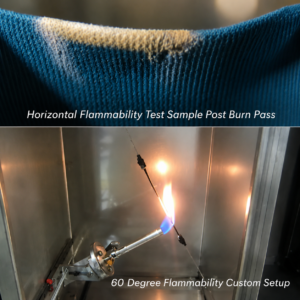
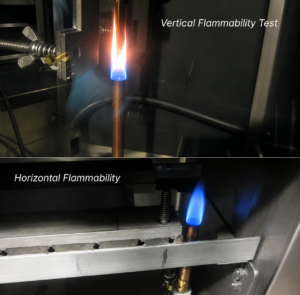
When engineers think about RTCA DO-160 Section 26, they often picture burner tests, flame exposure, and qualification laboratories. While fire and flammability testing is an important part of demonstrating airworthiness compliance, successful qualification frequently begins much earlier in the design process.
In many cases, the most efficient path to compliance is not simply testing every component, but understanding where the standard permits alternative means of demonstrating compliance and designing equipment accordingly.
RTCA DO-160 is a widely used industry standard that defines environmental conditions and test procedures for airborne equipment. Section 26 specifically addresses fire and flammability requirements.
The objective of Section 26 Category C (Flammability) is to demonstrate that equipment materials and enclosures do not contribute to the propagation of fire if ignition occurs either inside or outside the equipment.
These requirements help ensure that airborne electronics systems do not create additional hazards during abnormal operating conditions, improving overall aircraft safety.
One of the most misunderstood aspects of DO-160 Section 26 is the assumption that every avionics enclosure must undergo flame testing.
In reality, the standard provides several pathways for demonstrating compliance when sufficient evidence exists to support equivalent fire performance.
For example, flammability testing may not be required when:
– Materials have previously demonstrated equivalent flammability performance through qualification testing.
– Material certifications or supplier documentation can verify compliance.
– Material composition evidence supports equivalent fire performance.
– The enclosure is fully metallic and does not contain vent openings that would contribute combustible fuel to a fire event.
Understanding these considerations early can significantly reduce qualification effort, testing costs, and program schedule risk.
As avionics systems continue to evolve, demonstrating compliance with environmental and safety requirements remains a critical part of certification.
A successful flammability strategy combines sound engineering judgment, careful material selection, comprehensive documentation, and a clear understanding of applicable qualification requirements.
Whether supporting new platform development, avionics modernization, or legacy system sustainment, early consideration of DO-160 Section 26 can help reduce risk, streamline certification activities, and improve program outcomes.
Need support with DO-160 qualification, verification, or certification activities? Contact Aversan to learn how our team can help reduce program risk and streamline compliance efforts.