
Recover, re-engineer, and modernize legacy avionics through reverse engineering and obsolescence design refreshes. Aversan delivers DO-178 / DO-254 / DO-160 compliant solutions—from form-fit-function replacements to certifiable EOL part redesigns—that extend operational life while minimizing re-qualification and re-certification risk.
Recover, re-engineer, and modernize legacy avionics through reverse engineering and obsolescence design refreshes. Aversan delivers DO-178C/DO-254/DO-160 compliant solutions—from form-fit-function replacements to certifiable EOL part redesigns—that extend operational life while minimizing re-qualification and re-certification risk
When aging avionics systems face obsolete components, have missing or incomplete documentation and face evolving certification requirements, Aversan delivers engineering-driven solutions that extend operational life while minimizing your investment. Our avionics reverse engineering, re-engineering and obsolescence management services can regenerate specifications, create form-fit-function replacements, and redesign legacy platforms to meet modern performance and certification standards.
Backed by deep qualification and certification expertise, we carefully assess all design changes for DO-178C/DO-254 impact—minimizing re-qualification risk while maximizing production lifespan. From initial requirements development through certification, production, and decades of sustainment, Aversan is your partner at every step. Trusted by Tier 1 aerospace leaders, we deliver certifiable solutions that keep mission-critical systems operational and compliant.
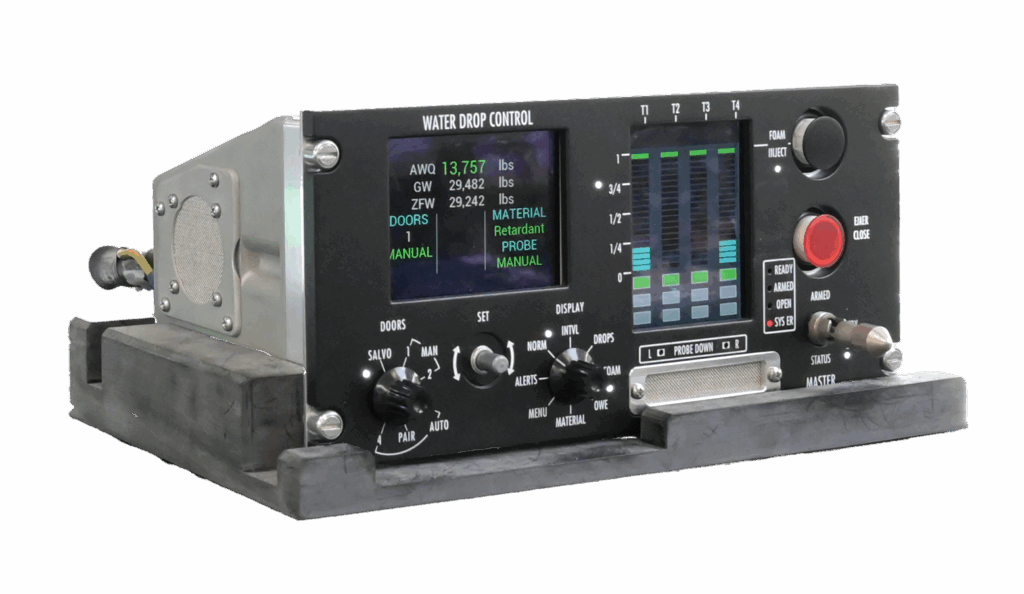
Whether starting from requirements, or re-designing undocumented or poorly documented systems, Aversan’s team is here to support you. Starting from our strong systems engineering group, we will develop requirements for your new system to enable a strong starting point for your updated product design.
What We Deliver:
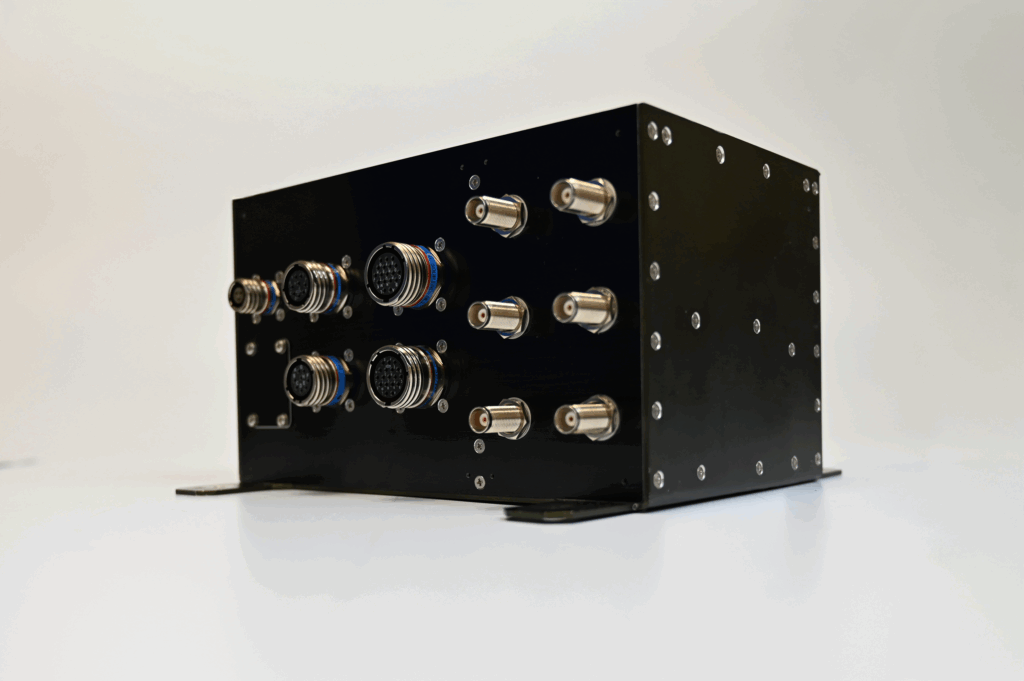
Redesign and sustain legacy systems without a full overhaul, ideal for addressing obsolete components, evolving performance needs, or stricter certification demands.
What We Deliver:
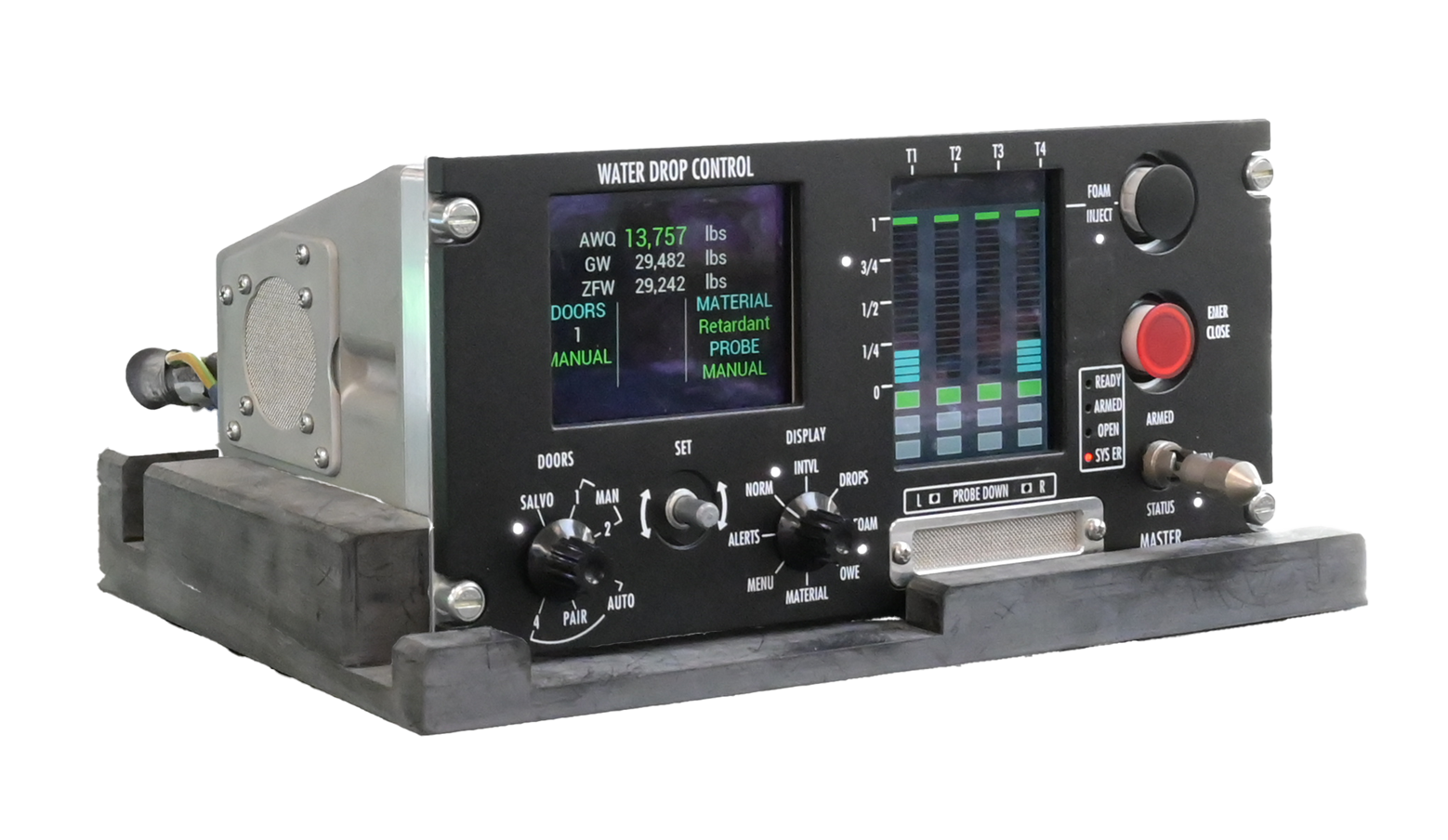
Whether starting from requirements, or re-designing undocumented or poorly documented systems, Aversan's team is here to support you. Starting from our strong systems engineering group, we will develop requirements for your new system to enable a strong starting point for your updated product design.
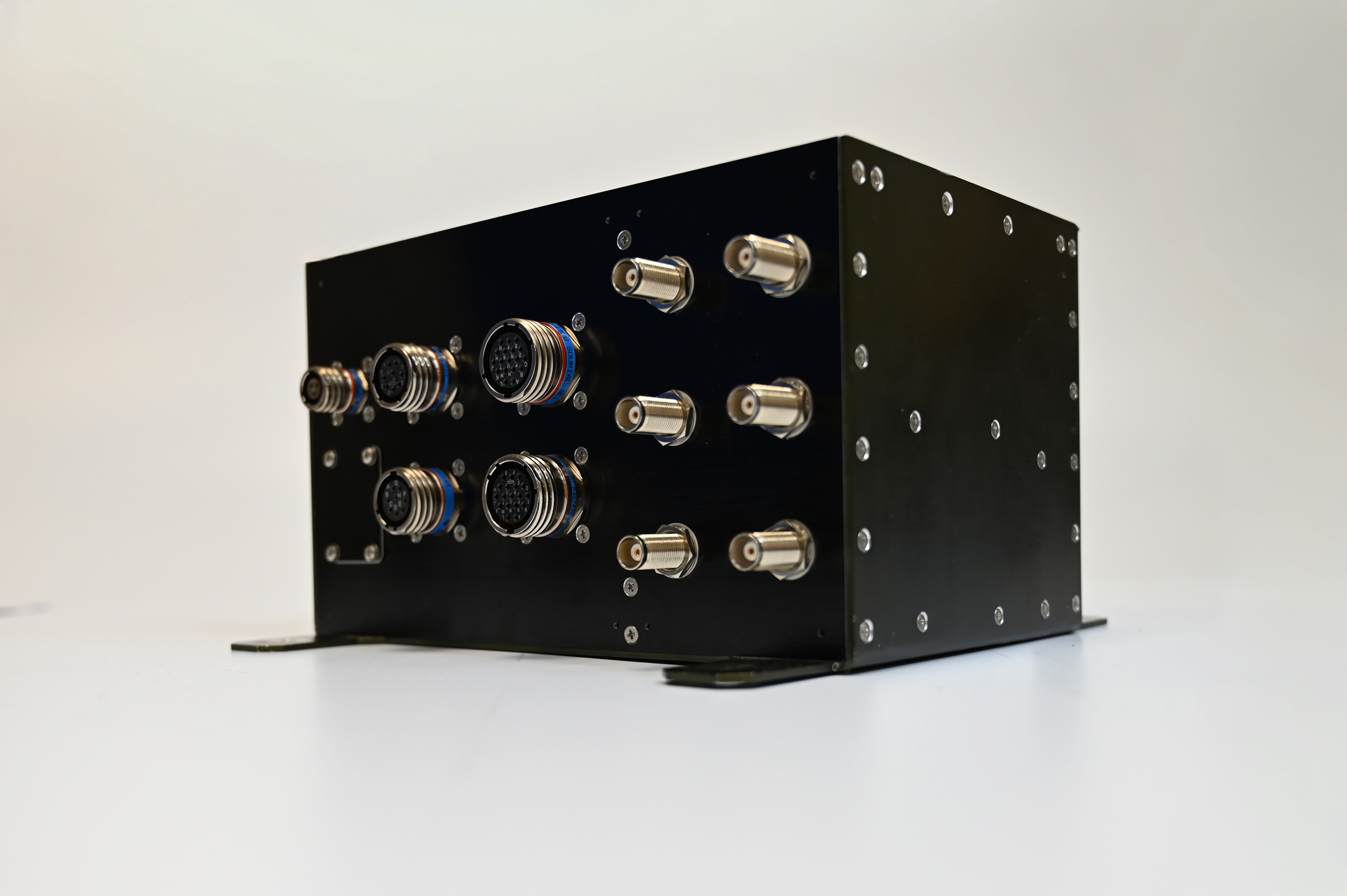
Redesign and sustain legacy systems without a full overhaul, ideal for addressing obsolete components, evolving performance needs, or stricter certification demands.
Refreshing legacy designs requires re-qualification and often re-certification—our specialists assess every design change for compliance impact, minimizing costs and risks while maximizing production lifespan. We bring predictability to programs which face DO-178/DO-254/DO-160 regulatory requirements, enabling you to make informed planning decisions as you update your legacy products.
From inception to production and decades beyond, Aversan is your single-source partner for design, testing, certification, qualification, special test equipment development, production, and ILS support. From day 1 to year 20 of your project, you can count on us to keep your systems serviced, supported, and mission ready.
Trusted by Tier 1 aerospace leaders, we deliver certifiable systems across complex programs where failure is not an option. Our track record speaks to our ability to execute obsolescence management and reverse engineering projects with predictable cost and schedule estimates. The decades of experience our engineering and PM leadership teams have, enables us to identify and mitigate risks early, and to plan ahead for the challenges all complex programs face.